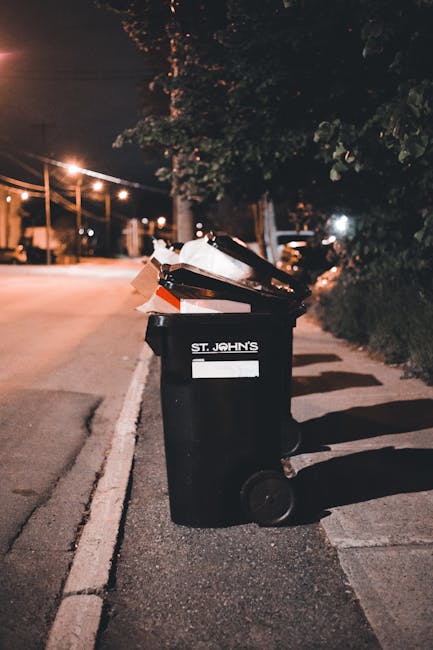
Seven Kings rubbish collection guide for Goodmayes Road residents
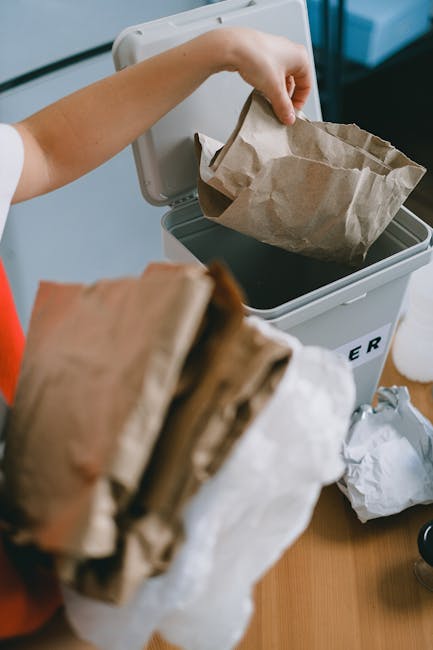
If you live on Goodmayes Road and you're trying to get rid of rubbish without creating a headache for yourself, this guide is for you. The Seven Kings rubbish collection guide for Goodmayes Road residents is designed to make the process feel a lot less messy-literally and mentally. Whether you're clearing a flat, handling bulky furniture, tidying a garden, or dealing with post-renovation debris, the right approach saves time, avoids unnecessary risk, and keeps your street looking decent at the same time.
Truth be told, rubbish collection sounds simple until you're standing in front of a stack of bags, a broken wardrobe, and one mystery item that definitely won't fit in a normal wheelie bin. This article walks through what matters, how collection and removal services typically work, what to watch out for, and how Goodmayes Road residents can make cleaner, safer choices. You'll also find practical advice, a comparison table, a real-world example, and a checklist you can use straight away.
Why Seven Kings rubbish collection guide for Goodmayes Road residents Matters
Goodmayes Road sits in a busy residential stretch where access, parking, timing, and neighbourly considerations all matter. That's why rubbish collection is not just about "getting rid of stuff"; it's about doing it in a way that is efficient, safe, and sensible for your building and street.
Residents on main roads often face a few common realities. Bags can sit longer than they should. Bulky waste can block a hallway. Builders' debris can attract complaints. A fridge left in the wrong place can become an eyesore very quickly. If you're in a flat, access is often tighter. If you're in a house, the volume can creep up before you notice. Either way, a clear guide helps you avoid last-minute scrambling.
There's also the practical side. In London, you'll notice that waste collection is rarely a one-size-fits-all situation. A mixed pile of household rubbish, furniture, and renovation waste needs more than just hope and a strong back. Having a plan reduces the chance of rejected loads, wasted trips, or sorting everything twice. Nobody wants that on a damp Tuesday evening.
Expert summary: for Goodmayes Road residents, the smartest rubbish collection approach is usually the one that balances speed, access, waste type, recycling potential, and proper disposal. The best result is not only a clear space, but a clear conscience too.
How Seven Kings rubbish collection guide for Goodmayes Road residents Works
At a practical level, rubbish collection usually follows a straightforward sequence: identify what needs removing, separate anything hazardous or reusable, choose the right service, and arrange collection at a time that works for your property. Sounds simple. In reality, the details make the difference.
For many Goodmayes Road residents, the process starts with a quick sort. General household rubbish goes in one category. Bulky items go in another. Garden waste, builders' waste, white goods, confidential documents, and broken furniture each have their own handling needs. If you treat everything as the same, collection becomes slower and often more expensive.
There are a few typical service routes. Some people only need a single bulky item removed. Others need a fuller clearance after moving out, refurbishing, or downsizing. In those cases, a broader service such as house clearance or home clearance may be more practical than trying to piece together several one-off removals.
For business premises, home offices, and shops close to the Seven Kings and Goodmayes corridor, it can also be useful to look at business waste removal or office clearance. The logic is the same: match the service to the waste stream. That's how you keep things clean without paying for a more complex solution than you actually need.
If you're unsure what kind of waste you have, a sensible first step is to review service details and then compare them with your actual pile. That sounds almost too basic to mention, but it saves people a surprising amount of trouble. A lot of bad waste decisions start with guesswork.
Key Benefits and Practical Advantages
The biggest benefit of getting rubbish collection right is simple: your space is cleared properly, with far less stress. But there are several other advantages that matter just as much, especially if you live along a busy road where access and timing can be awkward.
- Less disruption: A proper collection plan reduces repeated lifting, shuffling, and half-finished piles in front of your property.
- Better recycling potential: Sorted waste is easier to process responsibly, and reusable items are less likely to end up mixed in with general rubbish.
- Safer handling: Bulky, sharp, heavy, or awkward items are easier to manage when you know what service they belong to.
- Cleaner kerb appeal: Important on a road like Goodmayes Road, where passers-by, neighbours, and delivery traffic all notice clutter fast.
- More predictable cost: When the waste type and volume are understood in advance, the job is usually easier to price fairly.
There's also the time-saving angle. If you've ever tried to break down a sofa at 8:30 in the evening while finding screws under the radiator, you'll know time matters. A professional removal route is often the difference between "job done" and "job still hanging around next weekend".
Some residents also value the privacy and convenience of one clean sweep. If you're clearing paperwork, old records, or office storage from home, confidential shredding may be worth considering alongside normal rubbish collection. It's a small detail, but it can remove a lot of worry.
Who This Is For and When It Makes Sense
This guide is useful for a wide mix of people on and around Goodmayes Road. The most obvious group is residents dealing with general household clutter, but the real-world picture is broader than that.
You may need rubbish collection guidance if you are:
- moving out or moving in
- clearing a rented flat
- dealing with end-of-tenancy waste
- emptying a loft, garage, or shed
- discarding broken furniture or appliances
- tidying after decorating or light building work
- sorting a garden after a seasonal clear-up
- managing business waste from a small home office
For flat residents, space is usually the biggest pressure point. Bags pile up faster in smaller homes, and shared access can complicate collection. In those cases, flat clearance can be a better fit than juggling loads on your own.
If your job involves old chairs, sofas, wardrobes, or bed frames, you may find it simpler to use furniture disposal or furniture clearance. These services are usually a better match than general rubbish removal when the load is mostly bulky household items.
And yes, if the situation is a bit chaotic, that's normal. Most waste clearances begin with a room that looks worse before it looks better. Happens all the time.
Step-by-Step Guidance
Here's a practical way to approach rubbish collection without overthinking it.
- Walk through the space. Look at everything that needs to go. Split it into categories: general waste, furniture, appliances, garden waste, builders' debris, and anything potentially hazardous.
- Separate reusable and recyclable items. A little sorting upfront can make collection more efficient. It also reduces the chance of paying to remove items that could have been handled differently.
- Check access. Think about stairs, tight hallways, parking, lift use, and any loading restrictions. On a busy road, access is often the hidden issue that causes delays.
- Choose the right type of service. General rubbish, bulky furniture, garden waste, and renovation debris all have different demands. For example, builders waste clearance is far more suitable for rubble and renovation leftovers than a standard household tidy-up.
- Ask for clarity on what is included. Make sure you understand what items can be taken, what may need special handling, and what happens to the waste after collection.
- Prepare items safely. Bag loose waste, tape sharp edges if needed, and avoid overfilling bags. Small effort, big difference.
- Book a collection window. Choose a time that fits your household routine and parking situation. Early day slots can be helpful on busier roads.
- Keep the route clear. Make life easier by moving items near the exit if it is safe to do so. No one wants a clearance team weaving through half-built towers of stuff.
If you're handling a broader household reset, the service may be more than rubbish collection alone. It could be part of a larger move, empty, or de-clutter project. In those cases, loft clearance or garage clearance can help you tackle the hidden storage areas where waste tends to accumulate quietly for years.
Expert Tips for Better Results
Over the years, one pattern shows up again and again: the most successful rubbish collections are the ones where the resident does a little prep before the collection day. Not much. Just enough to avoid surprises.
Tip one: don't mix safe general rubbish with anything that may need special handling. That includes chemicals, paint tins with residue, gas canisters, and damaged electrical items. If something looks questionable, treat it cautiously.
Tip two: photograph the load before collection if you're expecting a quote. It helps reduce confusion and gives everyone the same picture. Literally, in this case.
Tip three: think about volume, not just item count. One mattress is easy to imagine; three bin bags and a broken wardrobe can be harder to judge. Volume affects planning a lot.
Tip four: if you're clearing after decorating, keep builders' debris separate from furniture and general rubbish. Mixed loads can be handled, but tidy separation usually makes the whole process smoother.
Tip five: use the job as a chance to remove "almost rubbish". You know the kind: the old cable you haven't used since a previous phone, the chair with a wobble, the box of spare bits that may or may not belong to anything. It's oddly satisfying to be honest.
One practical recommendation is to review a provider's wider waste services before you book. If you're dealing with mixed items, the pages on waste removal and recycling and sustainability can help you think more clearly about disposal priorities and the value of sorting.
Common Mistakes to Avoid
Most waste problems are preventable. They tend to come from rushing, guessing, or assuming all rubbish is treated the same way.
- Leaving sorting until collection day: That is how a simple collection turns into a scramble.
- Overfilling bags or boxes: Heavy, unstable packaging is awkward to move and can be unsafe.
- Forgetting about restricted items: White goods, electronics, and potentially hazardous materials often need separate handling.
- Blocking access routes: Even a small obstruction can slow down removal, especially in narrower entrances or shared hallways.
- Using the wrong service: Garden waste, furniture, business waste, and builders' waste all have their own best-fit solutions.
- Ignoring paperwork or proof: If you are getting a formal removal, keep confirmation of what was collected and when.
Another common mistake is underestimating the awkward stuff. A mattress, a fridge, and a couple of flat-pack panels can look harmless separately, then suddenly take over the whole corridor. There's always one item that causes the most drama. Always.
If your load includes larger domestic items, it can help to compare mattress and sofa disposal with broader furniture options, because not every bulky item should be handled in exactly the same way.
Tools, Resources and Recommendations
You do not need fancy equipment to prepare for rubbish collection, but a few simple tools make life easier.
- strong refuse sacks for loose household waste
- utility knife or scissors for breaking down packaging
- marker pen and tape for labelling where needed
- gloves for sharp, dirty, or dusty items
- trolley or sack truck for heavy loads if you're moving items safely
- cardboard sheets or dust covers to protect floors during a clearance
For service planning, useful resources on the site include pricing and quotes, which can help you understand how jobs are typically approached, and book online, which is handy when you want to move quickly and keep things simple.
If you are dealing with bulky appliances, the page on fridge and appliance removal is especially relevant. White goods are often heavier and more awkward than people expect. They also tend to be harder to manoeuvre around tight stairwells, which is exactly the kind of thing Goodmayes Road residents may run into in older properties and upper-floor flats.
For renovation leftovers, what can go in a skip is a useful reference point even if you are not hiring a skip. It helps you think in categories, and categories are your friend here.
Law, Compliance, Standards, or Best Practice
Waste handling in the UK sits under a straightforward principle: rubbish should be stored, moved, and disposed of responsibly. You do not need to be a specialist to follow good practice, but you should avoid handing waste to anyone who cannot deal with it properly.
For residents, the most important things are practical common sense and proper diligence. That means separating hazardous items, not dumping waste on the pavement, and using a collection approach that suits the materials involved. If a load includes anything that could be unsafe-such as paint, solvents, certain chemicals, or damaged electricals-it should be treated carefully and not mixed with ordinary domestic rubbish.
There is also a basic duty of care mindset to keep in mind. In plain English, you should be confident that waste is being handled by people who know what they are doing and that the materials are not simply being passed into the wrong stream. If you are booking a professional service, it is sensible to look for clear policies on health and safety and insurance and safety.
For sensitive situations, such as office paperwork from home or discarded records from a small business, confidential shredding is the safer route than tossing documents into a mixed bag. It is one of those little choices that protects you later.
And if you're ever dealing with waste that may be more than ordinary rubbish, a careful read of hazardous waste disposal is worthwhile. Better to pause and check than to rush and regret it. That's not overcautious; that's just smart.
Options, Methods, or Comparison Table
Different rubbish situations call for different methods. The right choice usually comes down to waste type, volume, access, and how quickly you need the space cleared.
| Option | Best for | Strengths | Watch-outs |
|---|---|---|---|
| General rubbish collection | Mixed household bags and light waste | Simple, quick, good for routine clear-outs | Not ideal for bulky or specialist items |
| Bulky item removal | Sofas, mattresses, wardrobes, appliances | Efficient for awkward single items | May need access planning |
| Full property clearance | Moves, downsizing, end-of-tenancy jobs | Handles large volumes in one visit | Needs clearer preparation and coordination |
| Builders' waste clearance | Renovation debris, rubble, packaging | Good for post-project clean-up | Should be kept separate from household rubbish where possible |
| Garden clearance | Cuttings, soil, broken outdoor items | Good seasonal tidy-up option | Heavy green waste can add up fast |
If you are deciding between broad clearance and targeted removal, think about the most dominant type of waste first. That single decision often makes the rest easy. For example, a room full of old furnishings may suit flat clearance, while a back yard full of branches and bags is usually better matched to garden clearance.
For homes with mixed clutter across several spaces, a combined approach can be more effective than trying to clear each room separately. In that case, house clearance can simplify the whole thing nicely.
Case Study or Real-World Example
A Goodmayes Road resident clearing a two-bedroom flat might start with a few black bags, an old sofa, a damaged chest of drawers, and some broken shelving from a hallway cupboard. Nothing dramatic. But once the items are gathered, it becomes clear that they will not fit into routine domestic bins and would be hard to move safely in a single car trip.
Instead of trying to stage several journeys, the resident sorts the waste into a few sensible groups: general rubbish, bulky furniture, and a small amount of packaging. The sofa and drawers are identified as furniture items, the loose rubbish is bagged, and the route from the flat to the street is cleared before collection day. That matters more than people think. A narrow staircase and a blocked landing can turn a quick job into a slog.
In this sort of scenario, the resident would likely benefit from a combination of furniture clearance and waste removal. If there were also old storage boxes in a loft space, the job might expand into loft clearance. And that is exactly how real clearances often unfold: one task opens the door to another, then another. Not a disaster, just life.
The useful lesson here is not that every collection needs a huge service. It is that small, mixed loads still deserve proper planning. A little structure goes a long way, especially in residential areas where parking, timing, and access are part of the equation.
Practical Checklist
Use this before you book or schedule rubbish collection.
- Identify every item that needs removing.
- Separate general waste from furniture, appliances, garden waste, and building debris.
- Check whether anything may be hazardous or require special handling.
- Measure or estimate the volume of larger items.
- Clear a path from the waste area to the exit.
- Think about parking, loading access, stairs, and lift use.
- Bag loose rubbish securely.
- Break down cardboard and flat-pack where possible.
- Keep valuables, documents, and reusable items out of the pile.
- Choose the service that best matches the main waste type.
- Review pricing and booking information before confirming.
- Double-check the collection time the day before.
If you are still unsure, step back and ask a simple question: what is the main thing I need solved here-space, speed, safety, or sorting? That answer usually points you in the right direction.
Conclusion
For Goodmayes Road residents, rubbish collection works best when it is approached as a small planning exercise rather than a last-minute drag-and-drop task. The right service, the right preparation, and a bit of thought about access can make a routine collection feel almost effortless. Almost.
Whether you are clearing household clutter, bulky furniture, loft storage, garden waste, or renovation leftovers, the goal is the same: remove the mess cleanly, safely, and with as little disruption as possible. That is what a good Seven Kings rubbish collection guide should do-help you make confident decisions without overcomplicating the job.
If you are comparing options, start with the nature of the waste, then think about volume, access, and timing. Keep hazardous materials separate, use clear sorting, and choose a service that fits the real job in front of you. Simple advice, yes, but it works.
Get a free quote today and see how much you can save.
And if you're finally staring at a clean hallway or an empty corner where the clutter used to live, take a second to enjoy it. That little bit of breathing space matters more than people admit.
Frequently Asked Questions
What is the best rubbish collection option for Goodmayes Road residents?
The best option depends on what you need removed. General rubbish, furniture, appliances, garden waste, and builders' debris are usually handled differently. If you have mixed waste, a broader service such as waste removal or house clearance is often more practical than trying to manage it in pieces.
Can I book rubbish collection for bulky items only?
Yes. If you only need a sofa, mattress, wardrobe, or appliance removed, a targeted bulky-item service is often the most sensible choice. It keeps the job efficient and avoids paying for a bigger clearance than you need.
How do I know whether my waste counts as hazardous?
If the item contains chemicals, solvents, oils, certain paints, batteries, or anything that could leak, burn, or harm people during handling, treat it cautiously. When in doubt, do not mix it with ordinary rubbish. Hazardous waste disposal guidance is the safer place to start.
What should I do before a rubbish collection visit?
Sort the waste, bag loose items, clear a path, and make sure access is straightforward. If possible, group similar items together. That simple prep can save a surprising amount of time on the day.
Is furniture disposal different from general rubbish collection?
Yes, because bulky furniture is awkward to move and often needs more space, planning, and handling care. For sofas, beds, wardrobes, and similar items, furniture disposal or furniture clearance is usually a better fit.
Do I need a full house clearance if I only have a few rooms to empty?
Not always. If the job is limited to a loft, garage, flat, or one part of the property, a more specific service may be enough. Loft clearance, garage clearance, flat clearance, or home clearance can be a neater match.
What happens if my waste includes old appliances?
White goods and other appliances should be handled separately from general rubbish. Fridges, freezers, and similar items can be heavy and may need specialist removal. The fridge and appliance removal page is a useful reference point for that kind of job.
Can rubbish collection help after a small renovation?
Definitely. Post-renovation waste often includes packaging, plasterboard offcuts, timber, and rubble. Builders waste clearance is usually the more suitable route for that type of material.
How can I reduce the cost of a collection?
The easiest way is to sort the load clearly, remove anything you want to keep, and avoid mixing unrelated waste streams. A tidy, well-prepared collection is usually more efficient than a badly sorted one. Asking about pricing and quotes before booking also helps you plan properly.
What if I need rubbish collection from a flat with tight access?
That is very common, especially in busy London areas. The key is to think about stairs, door widths, lift access, and parking before the collection date. Flat clearance is often the most practical route for these situations.
Can confidential papers be included with household rubbish?
They can be, but they probably should not be if they contain sensitive information. Confidential shredding is the better option for documents, records, and personal paperwork you do not want left to chance.
Where can I check what items are suitable for skip-type waste?
If you are trying to understand which items are generally acceptable in larger waste loads, the what can go in a skip page is a useful guide. It is especially helpful when you are unsure about mixed debris, packaging, or heavier household materials.