Innovative Ways to Dispose of Packaging and Cardboard Waste
Innovative Ways to Dispose of Packaging and Cardboard Waste: A Complete, UK-Focused Guide
You know that feeling when a delivery day turns your hallway into a mini cardboard mountain? Boxes stacked like skyline towers, tape tails stuck to your shoes, and the recycling bin already full by Tuesday. It's familiar, a bit chaotic, and--truth be told--totally solvable. This guide walks you through innovative ways to dispose of packaging and cardboard waste, from smarter reuse to cutting-edge recycling, in a way that's practical, cost-effective, and compliant with UK rules. We'll keep it human, direct, and genuinely useful. And we'll share a few micro-stories from the field, because that's where solutions are tested--in the rain, on loading bays, and in small storerooms behind busy counters.
What you'll get here: a highly actionable playbook for rethinking cardboard and packaging waste, an expert take on UK compliance, and the latest innovations--from IoT-enabled bins and balers to reuse marketplaces and closed-loop partnerships. Whether you're a facilities manager in Manchester, a cafe owner in Brighton, or you're simply tired of cardboard chaos at home, you'll find clear steps and tools to make it easier--and cheaper--to do the right thing.
Table of Contents
- Why This Topic Matters
- Key Benefits
- Step-by-Step Guidance
- Expert Tips
- Common Mistakes to Avoid
- Case Study or Real-World Example
- Tools, Resources & Recommendations
- Law, Compliance or Industry Standards (UK-focused)
- Checklist
- Conclusion with CTA
- FAQ
Why This Topic Matters
Packaging is everywhere--boxes, mailers, void fill, wraps, tapes, labels, the lot. The UK's love affair with e-commerce didn't slow down, and neither did the cardboard. According to industry data often cited by WRAP and DEFRA, paper and cardboard remain some of the most recycled materials, with packaging recycling rates for fibre consistently high. Yet, a surprising amount still ends up contaminated or landfilled because of poor segregation, wet storage, or mixed materials.
Innovative ways to dispose of packaging and cardboard waste aren't just about being green. They're about cost control, operational sanity, and brand reputation. When you're compacting correctly, baling efficiently, and collaborating with the right partners, you're saving pick-up fees, freeing space, and--frankly--making your site safer and cleaner. Clean, clear, calm. That's the goal.
Micro-moment: It was raining hard outside that day. A cafe owner in Leeds smiled as we pulled a dry, neatly baled stack from a sheltered corner. No soggy mess. Just tidy, saleable fibre. Small changes, big outcomes.
Key Benefits
When you adopt innovative disposal and recycling strategies for packaging and cardboard, here's what you can expect:
- Lower costs: Compacting and baling reduce collections. Reuse cuts purchase of void fill and new boxes.
- Revenue from recyclates: Clean, uncontaminated cardboard bales can command rebates from recyclers (market conditions apply).
- Operational efficiency: Less clutter and fewer manual handling risks. You'll move faster and safer.
- Compliance confidence: Staying aligned with the UK Waste Hierarchy and Duty of Care keeps audits calm, not stressful.
- Better customer perception: Visible circular practices can boost brand trust--especially if you're consumer-facing.
- Space back: Free up valuable storage and working areas. You can hear the sigh of relief when the backroom breathes again.
Micro-moment: In our experience, the biggest benefit you notice first isn't cost. It's space. Seeing the floor again. That matters on a Monday morning.
Step-by-Step Guidance
Here's a pragmatic, field-tested process to manage and dispose of packaging and cardboard waste in a way that's efficient, compliant, and--dare we say--innovative.
1) Audit Your Waste Streams
- Walk the site. Observe where packaging is unpacked, where boxes accumulate, and where it breaks down (e.g., inbound docks, pick stations).
- Quantify. Roughly estimate daily/weekly volumes of cardboard (kg or m?), plastic films, and mixed materials.
- Identify contaminants. Look for food residues, grease, rain exposure, staples, tape overload, and laminated boards.
- Note current costs. Tally collection fees, bin sizes, frequency, and any rebates you get (or don't).
Tip from the floor: You could almost smell the cardboard dust in the air on a busy sorting day. That's your cue to review handling and maybe consider a low-dust baling process or PPE upgrade.
2) Segregate at Source
- Set clear signage. Use colour-coded bins: cardboard only; paper; soft plastics; general waste.
- Place bins smartly. Put cardboard bins where boxes are opened. It sounds obvious, but--yeah--we've all been there.
- Keep it dry. Moisture is the silent killer of cardboard value. Store under cover. Avoid outdoor overflow.
- Train staff. Quick toolbox talks. "Remove tape and void fill, flatten, stack." Simple, repeated.
3) Flatten, Bale, or Compact
- Flatten first. A flattened box is a happy box. It saves space and preps for any downstream solution.
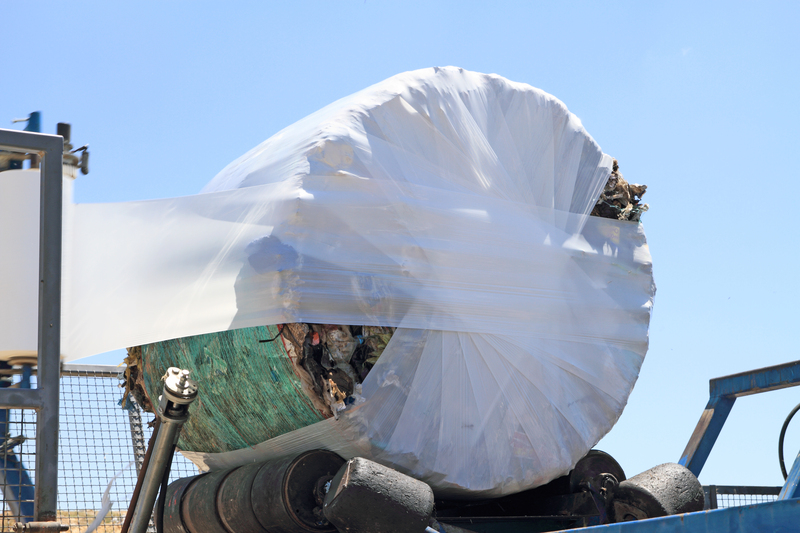
- Baling for volume sites. If you produce over ~500 kg/week of cardboard, a small vertical baler often pays back fast.
- Compactors for mixed recyclables. Where space allows, a compactor reduces collections. Add an IoT fill sensor for smart scheduling.
- Shredders for reuse. Create on-site paper void fill from offcuts. It's quieter than you think--and satisfying.
4) Embrace Reuse and Reverse Logistics
- Box re-circulation. Reuse good-quality boxes internally for picking, kitting, or returns.
- Partner with couriers. Some carriers trial box take-back on delivery runs--ask. It's efficient when trucks are already stopping.
- Local community reuse. Schools, makerspaces, and house-movers love clean boxes. Create a weekly pickup window.
Micro-moment: A small e-commerce brand in Bristol posted "free boxes, Thursdays 4-6." The queue outside the unit? Honest surprise. Reuse beats recycling when it works.
5) Close the Loop with Recyclers
- Choose a certified recycler. Ask for Waste Carrier Registration details and evidence of end destination.
- Agree bale specs. Follow recognised grades (e.g., EN 643 categories for paper and board) to maximise rebates.
- Keep records. Keep Waste Transfer Notes and weighbridge tickets. Data helps you prove compliance--and negotiate.
6) Track, Optimise, Repeat
- Monitor KPIs: ?/tonne cost, contamination rate, collections per month, rebate per bale.
- Trial improvements: Switch to water-activated tape to speed de-taping. Try box-on-demand to cut empty space.
- Review quarterly: Seasonality, promotions, and weather change your waste. Adjust routes and kit accordingly.
What Counts as Innovative Right Now?
- IoT bin sensors: Reduce missed collections and empty runs by flagging real fill levels.
- Smart balers: Automatically tie off bales and log weights to the cloud for instant reporting.
- Box-on-demand systems: Cut void fill, reduce damages, and shrink cardboard offcuts by right-sizing packaging.
- Reusable transit packaging (RTP): Foldable crates or mailers with tracking. Fewer boxes in, fewer boxes out.
- Local reuse platforms: Match spare boxes with people who need them--neighbours, market traders, students.
- Design-for-recycling materials: Fibre-based mailers, minimal coatings, water-soluble adhesives.
Ever tried clearing a room and found yourself keeping everything "just in case"? Packaging is like that. The trick is systems, not heroics.
Expert Tips
- Segregation is king. Keep cardboard clean and dry. Moisture drives cost up and reduces recycling quality.
- Remove the tape (mostly). A quick tear across the top flaps is enough. Don't overdo it; industrial MRFs can handle small remnants.
- Right-size boxes early. If you ship, cut void fill and oversized boxes with on-demand packaging. Less material in, less out.
- Consolidate collections. Align with neighbouring businesses on a shared baler or compacted collection if feasible. Streets win when vans do fewer stops.
- Choose water-activated paper tape. It bonds strong and recycles cleanly, reducing tedious de-taping time.
- Set a "box quarantine" corner. Keep truly re-usable boxes separate and labelled by size. Staff will actually use them then.
- Focus on safety. Train people to cut strapping safely, avoid over-stacking bales, and wear gloves for staples. It's the boring stuff that prevents the nasty stuff.
- Measure weekly. A small spreadsheet or app with weights and costs changes behaviour. Data makes it real.
Micro-moment: A warehouse lead in Milton Keynes kept a tally on a whiteboard--bales this week, contamination rate, rebate. The team got competitive. Costs fell. Fun, oddly.
Common Mistakes to Avoid
- Letting it get wet. Rain ruins fibre quality and can invite pests. Keep it covered--always.
- Mixing materials. Laminated boxes, greasy pizza boards, bubble wrap and cardboard together? That's a no from recyclers.
- Overfilling bins. Lid up = rain in. Also fines from some collectors. Keep it neat.
- No training. You can buy the best baler in Britain, but if no one knows how to use it, it's a sculpture, not a solution.
- Ignoring rebate opportunities. Clean bales are valuable. Don't settle for general mixed recycling if your volume supports a separate stream.
- Chasing zero waste without a plan. Ambition is brilliant; process is better. Move step by step.
Ever tried to fix everything in one go and ended up fixing nothing? Same here. Start where the mess is biggest.
Case Study or Real-World Example
Profile: Mid-sized e-commerce fulfilment centre, Milton Keynes, 65 staff, high seasonal peaks.
Starting point: 6 mixed recycling collections/week, frequent overflow, staff complaints about clutter, no rebates. Cardboard often stored outdoors; rain did its worst.
Actions taken:
- Installed a vertical baler for cardboard only; trained two team leads as champions.
- Moved storage under cover; used pallets to keep cardboard off wet ground.
- Switched to water-activated paper tape and reduced box SKUs by introducing a box-on-demand unit for long-tail sizes.
- Added an IoT sensor to the general recycling container to optimise pickups.
- Set up a weekly "community reuse hour" for clean surplus boxes.
Results after 12 weeks:
- Collections dropped from 6/week to 2/week for mixed recycling.
- Cardboard bales generated regular rebates (market-dependent), offsetting equipment lease costs.
- Backroom floorspace increased by ~20% thanks to consistent flattening and stacking.
- Customer damages declined slightly due to better right-sized packaging and void fill.
It wasn't dramatic on day one, but by week four, the place sounded different--less clatter, more flow. To be fair, staff pride kicked in too.
Tools, Resources & Recommendations
These tools and resources support innovative ways to dispose of packaging and cardboard waste while staying compliant and efficient.
Equipment
- Vertical/Horizontal Balers: For sites with steady fibre volumes. Look for models with auto-tie and weight logging.
- Smart Compactors: Add IoT monitoring for route optimisation and full alerts.
- Cardboard Shredders: Turn offcuts into protective void fill; reduce purchase of plastic fillers.
- Box-on-Demand Cutters: Produce right-sized cartons from fanfold cardboard; less waste, less damage.
- Moisture-Control Storage: Simple but critical--covered areas, pallets, and racks to keep fibre dry.
Software & Data
- Waste Analytics Platforms: Track weights, costs, contamination incidents, and rebates.
- Fleet & Route Optimisation: For multi-site businesses coordinating internal transfers or backhauls.
- LCA Tools: Life Cycle Assessment software to compare packaging formats and end-of-life outcomes.
Standards & Guidance
- UK Waste Hierarchy: Prevent, reduce, reuse, recycle, recover, dispose--use this as your compass.
- EN 643: European standard for paper and board recycling grades; align bale quality to recognised categories.
- WRAP & DEFRA Guidance: Clear best practices for segregation, contamination prevention, and reporting.
Small note: Don't get paralysed by choice. Start with the kit you'll use daily, not the fanciest catalogue piece.
Law, Compliance or Industry Standards (UK-focused if applicable)
Compliance isn't glamorous, but it's the backbone of a trustworthy system. Here's the essentials, in plain English, for UK businesses dealing with packaging and cardboard waste.
- Duty of Care (Environmental Protection Act 1990, s34): You must take all reasonable steps to manage waste safely, store it securely, and ensure it's transferred only to an authorised person with the correct registration.
- Waste Transfer Notes (WTNs): For each non-hazardous waste transfer, keep a WTN with details of the parties, waste description, EWC code (e.g., 15 01 01 for paper/cardboard packaging), quantity, and SIC code. Retain records for at least two years.
- Waste (England and Wales) Regulations 2011: Embed the Waste Hierarchy in your decisions--document this in your WTNs or internal policies where relevant.
- Carrier Registration: If you transport waste yourself (beyond your site), you may need to register as a waste carrier. Check exemptions carefully.
- Packaging Producer Responsibility: The existing PRN/PERN system remains in place, with packaging Extended Producer Responsibility (EPR) data collection ongoing. As of late 2024, full fee obligations are slated from 2025; keep an eye on updates to avoid surprises.
- Fire Safety & Storage: Store bales and loose cardboard away from ignition sources, with good housekeeping and documented fire risk assessments. Insurers often set clear separation distances--ask yours.
- Confidentiality: If cardboard contains labels or documentation with personal data, shred or remove labels before recycling to align with data protection expectations.
Auditors love clarity. A tidy yard, labelled bins, and complete paperwork go a long way. Honestly, it calms everyone down during inspections.
Checklist
Use this quick checklist to embed innovative ways to dispose of packaging and cardboard waste into daily operations:
- Segregation: Cardboard-only bins placed where boxes are opened
- Dry Storage: Covered areas, pallets, lids down, no rain ingress
- Training: Induction plus quarterly refreshers; posters by balers
- Equipment: Right-sized baler or compactor; maintained and safe
- Reuse Corner: Shelves or cages for good boxes and paper void fill
- Tape Choice: Water-activated paper tape preferred for recycling
- Data: Track weights, contamination, rebates, and costs weekly
- Compliance: WTNs, carrier licence checks, EWC codes on file
- Supplier Alignment: Ask for recyclable formats and minimal coatings
- Community Link: Offer boxes for reuse at set times; communicate clearly
Pin this on a noticeboard. A simple checklist wins the day more often than a complex policy no one reads.
Conclusion with CTA
Innovative ways to dispose of packaging and cardboard waste aren't futuristic gimmicks--they're practical, everyday shifts that free up space, cut costs, and keep you compliant. From baling and smart compactors to local reuse networks and design-for-recycling packaging, the tools are already here. The real change happens at eye level: clear signage, a dry storage corner, a team that knows what "good" looks like. That's how you turn a cardboard mountain into a tidy stream of value.
If you're still reading, you probably care about getting this right. Good. Start small--flatten better, keep it dry, try one new tool--and build from there. You'll feel the difference when the backroom is quiet and clear on a busy morning.
Get a free quote today and see how much you can save.
And take a breath--cleaner spaces make kinder days. You've got this.
FAQ
What are the most innovative ways to dispose of packaging and cardboard waste right now?
IoT-enabled bins and compactors, smart balers with cloud reporting, right-sized packaging systems, and local reuse platforms are leading the pack. Pair those with good segregation and you'll outperform most traditional setups.
How can small businesses cut costs on cardboard disposal?
Flatten everything, keep it dry, and consider a small vertical baler if volume justifies it. Reuse good boxes internally and switch to water-activated tape to streamline recycling. Consolidating collections with neighbouring units can also help.
Is cardboard with tape and labels still recyclable?
Yes--within reason. Remove excessive plastic tape, labels, and any non-paper inserts. Small remnants are acceptable to most recyclers, but less is more.
Can I compost cardboard at home?
Plain, unwaxed cardboard can be composted if shredded and mixed with green waste. Avoid heavy inks, glossy, or plastic-coated boards. Keep it damp, not soaked, and turn regularly.
What UK regulations apply to cardboard waste from my business?
You must follow the Duty of Care, use Waste Transfer Notes for transfers, store waste securely, and use authorised carriers. Apply the Waste Hierarchy and keep records. EPR for packaging is evolving--monitor DEFRA updates.
How do rebates for cardboard bales work?
Rebates depend on market prices, bale quality, and volume. Clean, dry, well-tied bales graded to standards like EN 643 usually earn more. Keep contamination low and negotiate with multiple buyers if possible.
What's the best way to store cardboard before collection?
Keep it under cover, off the ground on pallets, and away from risk of spills or food contamination. Stack neatly. Overfilled outdoor bins invite rain and fines--avoid that.
Are there eco-friendly tapes and labels that make recycling easier?
Yes. Water-activated paper tapes and fibre-based labels reduce non-recyclable residues. Choose minimal adhesives and avoid plastic reinforcements where possible.
How do I start a box reuse programme?
Designate a shelf or cage for re-usable boxes, label sizes, and set rules (clean, undamaged, no food residue). Communicate a weekly pickup window for local reuse--schools, movers, and makers appreciate it.
What about laminated or waxed cardboard?
Laminated or waxed boards are difficult to recycle in standard streams. Keep them separate and ask your recycler about specific options. Avoid buying them unless essential.
Is a baler worth it for a small site?
If you produce several hundred kilograms of cardboard weekly, often yes. Factor in reduced collections, potential rebates, and time saved. Ask for a trial or short lease to prove the case.
How can we prevent contamination from food and liquids?
Separate food areas from cardboard storage, use sealed bins for organics, train staff to remove soiled sections of boxes, and keep cardboard collection points dry and covered.
What's the simplest first step for a busy team?
Place a clearly labelled cardboard-only bin exactly where boxes are opened, and add a sign: "Flatten, remove void fill, keep dry." Start there. Build the rest slowly.
Do smart sensors actually reduce costs?
Usually, yes. They cut wasted collections and prevent overflows, which means fewer call-outs and cleaner sites. Over a few months, that consistency adds up.
Can we donate boxes to the community without liability worries?
Yes, with common-sense rules: Only provide clean, dry boxes; communicate that items are provided as-is; and avoid sharing any packaging with sensitive labels or data. Keep a simple log if you prefer.
How often should we review our packaging choices?
Quarterly is a good rhythm. Packaging SKUs, tape types, coatings, and void fill can creep in over time. Small tweaks can prevent large waste streams later.
What's the one thing people underestimate?
Moisture. A rainy afternoon can undo a week's good work. Prioritise covered storage and lids-down policies. It's unglamorous--and vital.
Any last tip for teams feeling overwhelmed?
Pick one area to improve this week. Just one. Maybe it's a baler training refresh, maybe a reuse shelf. Momentum beats perfection. Always.